
On 5 March 2026, the Home Office published Statement of Changes to the Immigration Rules HC 1691, introducing a series of amendments affecting asylum policy, visa requirements, English language requirements for settlement, and procedural rules in immigration applications.
Statements of changes modify the rules governing entry, stay, and settlement in the United Kingdom.
The latest statement forms part of the UK Government’s broader immigration policy agenda, aimed at strengthening border control, reducing irregular migration, and reforming certain aspects of the asylum and settlement system.
Below we outline the key changes introduced by HC 1691 and what they mean for migrants, employers and immigration applicants.
Key Changes Introduced by HC 1691
1. Changes to Refugee Protection Leave
One of the most notable changes concerns the duration of protection granted to refugees and individuals granted humanitarian protection.
Under the updated rules:
- The length of leave given to refugees will be reduced from five years to 30 months.
- Individuals will need to apply for extensions before qualifying for settlement
These reforms are part of broader changes designed to restructure how refugee protection operates within the UK immigration system.
For individuals seeking protection, this will result in longer pathways before qualifying for Indefinite Leave to Remain (ILR).
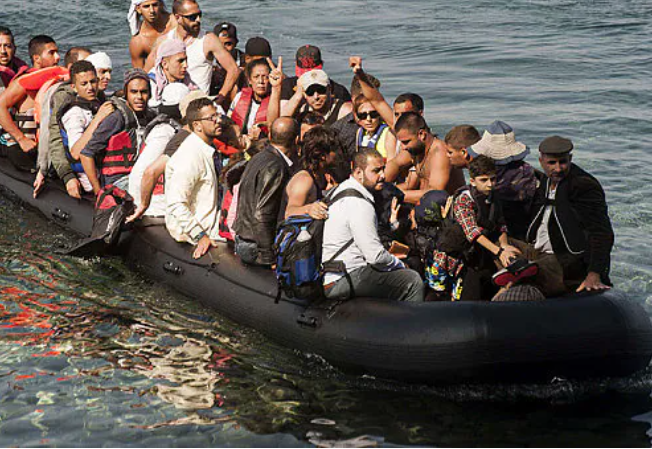
2. Updated Rules for Further Submissions in Asylum Cases
HC 1691 introduces procedural changes affecting further submissions made after an asylum claim has been refused.
The updated rules clarify that:
- Further submissions must meet strict validity requirements
- Applicants must maintain contact with the Home Office
- Applications may be treated as withdrawn if the applicant fails to attend required appointments or provide requested information.
3. New Visa Requirements for Certain Nationals—Nicaragua and St Lucia
The statement also introduces additional visa requirements for some nationalities visiting the UK.
The changes will introduce a visit visa requirement for nationals of Nicaragua and nationals of St Lucia, which means that these nationals will need to apply for and obtain a visa prior to visiting the UK.
Linked to this, Nicaragua and St Lucia will be removed from the list of countries whose nationals are eligible to apply for an Electronic Travel Authorization (ETA).
In particular cases, individuals who previously travelled visa-free now need to apply for:
- Standard Visitor visas
- Direct Airside Transit Visas (DATV)
4.“Visa Brake” – a ban on certain nationals entering as a student or skilled worker
The nationals of four countries are no longer permitted to apply for entry clearance as a student:
- Afghanistan
- Cameroon
- Myanmar
- Sudan
Further, nationals of Afghanistan are no longer able to apply for entry clearance as skilled workers, at least when applying as a main applicant (meaning that they can still apply as dependants where the main applicant has a different nationality). In both cases, this does not affect people already in the UK applying to extend or switch into these routes.
These also take effect on 26 March 2026. However, applications lodged before this date will be considered under the current rules.
The memorandum suggests this is a temporary measure, open to review.
5. English Language Requirement for Settlement
Effective 26 March 2027, all settlement applicants, including family members of British citizens and settled persons must meet new, stricter English test requirements at a level B2.
These changes apply to those already on a pathway to settlement, with amended English language requirements at the settlement stage. The delay until March 2027 allows applicants time to comply
This represents a higher standard than the previous B1 requirement and is expected to affect several immigration routes leading to settlement.
Applicants planning long-term residence in the UK should therefore begin preparing early for higher language requirements.

5. Technical Changes Across Immigration Routes
HC 1691 also introduces a number of technical amendments across the Immigration Rules, including updates affecting:
- Points-based system routes
- Employer sponsorship compliance
- Immigration rule appendices
- Criminality and suitability provisions
How We Can Help
Navigating changes to the Immigration Rules can be complex, particularly when updates affect multiple visa categories and settlement pathways.
Professional immigration advice can help ensure that applications are prepared in accordance with the latest Home Office requirements.
Our immigration team assists with:
- Skilled Worker visa applications
- Sponsor licence applications and compliance
- Indefinite Leave to Remain applications
- Immigration appeals